tel:+60124303866

Pest Control
Types of Pest and Risk of Disease
Rats
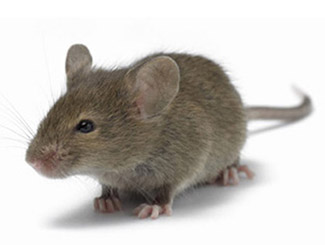 Average lifespan of rats is about 1-2 years. And it reaches sexual maturity at about 3 months. In addition, a female rat can give birth to 6-12 pups of rats. Hence, this is a significant potential breeding of rats, if it is not controlled.
Infestation of rats may cause damage to home and products because of the gnawing and biting behaviour. Besides that, it also affect human health because rats are the carrier of many diseases such as plague, leptospirosis, salmonella, tapeworm (via urine and droppings), rat-bite fever and rat mite dermatitis.
Mosquitoes
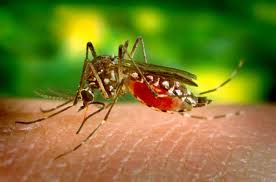 Mosquitoes are known to be a pest because of their biting and blood sucking habits. Most of the mosquitoes feed on nectar or plant juice. However, the female mosquitoes require additional blood sucking which served as protein source to lay fertile eggs.
The complete metamorphosis in their life cycle from egg to larva, pupa and adult is a developmental process which takes 40-42 days in tropical conditions. Female mosquitoes may live up to 1-2 months depending on species and its environment.
Mosquitoes serve as vectors of many diseases such as dengue fever and malaria. These are the 2 most common diseases from mosquito, which could affect human health. Diseases-caused virus and bacteria are usually transmitted to the host through saliva or contact with the mosquitoes during the feeding process. More efforts should be focused on removal of stagnant water sources where they usually breed.
Cockroaches
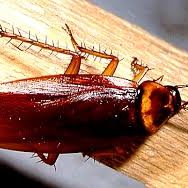 Cockroaches feed on almost anything and everything that is nutritious including rotten and fermented food. These cockroaches are mostly found in basements, food-storage areas and other hidden places. Thus, there are many places that it can live and breed.
Infestation of cockroaches is not only a nuisance but is known to be capable of carrying disease pathogen that could cause allergic, diarrhea, dysentery and even hepatitis B antigen.
Termites
 Termites are social insects and practice caste system, which consists of queen, king, soldier, worker, alate (winged reproductive) and immature (nymphs and eggs). Each of the castes shares similar body form and specific tasks. Queen will be the main egg-laying ant while the soldiers defend the colony from enemies or intruders. Alates will go for swarming in order to mate and then start a new colony. Workers are the busiest where they will need to maintain, construct and repair the nest, forage and feed other colony members.
Termites live in colonies and the nests are usually located underground, in wood or in trees. Termites can be identified into 3 types such as subterranean termite, dry wood termite and damp wood termite. For subterranean termites, they are highly dependent on moisture and build their nest under the soil. Besides that, they construct tunnels or mud tubes to prevent desiccation while foraging for food. Dry wood termites are able to survive under low moisture condition and near the infestation area. Lastly, the damp wood termites prefer to feed on decayed wood structure such as buried timbers, rotten root and tree bark.
Although termites are not known to carry diseases harmful to humans, people who are living in homes infested by termites may suffer from asthma attacks or even allergic reactions. Ventilation systems can also contribute to the spread of dust and irritating particles from termite nests. In addition, it also destroys your properties and may cause significant termite management and total repair costs.
Flies
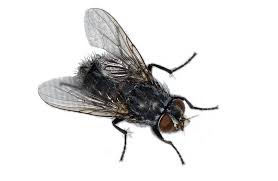 Flies are not only nuisance pests but are also known for transmitting disease. The common house fly has been associated with over 100 different pathogens such as cholera, typhoid, salmonella and anthrax. Heavy infestation of flies may also bring contamination to food, equipment and other materials.
Management of flies has always been challenging. This is because the adult flies are strong flyers and often go foraging food far away from their nesting area. Most flies have their peak activity during the daytime, while others are most active during the sunset and sunrise. Sanitation also plays an important role in reducing the infestation of flies by getting rid of the harborage and food source.
Bed Bugs
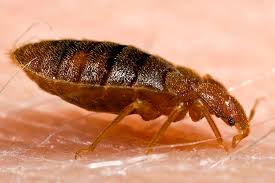 Beg bugs often hide inside cracks and crevices during daytime as they are adverse to lights. They become active during midnight until just before dawn. This pest is another type of blood sucking insects. Bed bugs tend to prefer human blood and usually feed on bare skin while the host is sleeping. Therefore, they normally stay near to the host and prefer materials such as wood and paper for refuge.
Places that are commonly infested including picture frames, wooden furniture, door and window frames, baseboard, power switches and curtains. The bed bugs’ are efficient hitchhikers and are easily transported, relying heavily on movement of human or goods.
Although it is not known that bed bug is a vector of serious diseases, it is the biting during feeding that could cause irritation, swelling or allergic reaction. The main clues of an infestation will be that we can easily see blood stains, egg cases and cast skins. In addition, a heavy infested area will also create an unpleasant odor.
Fleas
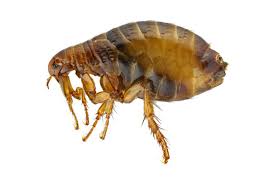 Infestations of fleas often start with the pets such as dogs and cats. And they are easily spread on into the home. In addition, they could also be found in shoes, on blankets, sofa and other furniture near places where the host usually rests or sleeps.
Fleas are not only nuisance but their painful bites can also cause swelling, rashes, itchiness, irritation or even inflammation to the effected skin. Bites of human fleas are usually distributed over the human body. However, a cat flea bites tend to focus on the lower legs.
These pests act as a vector for various harmful pathogens that can cause diseases such as plague, murine typhus and anemia through transferring the tapeworm. Eradication of this insect shouldn’t just rely on insecticide treatment alone. Proper sanitation practice such as maintaining a hygienic environment and frequent cleaning is crucial in helping to suppress the flea population.
Ants
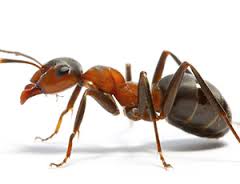 There are about 12,000 species of ants in the world. However, only about 1% of them are considered pest in the human environment. Many others are living in the wild environments and may not have any contacts with human. Those ants who are considered pests, often invade buildings and structures looking for food and nesting. They feed on most types of food with high carbohydrate and protein value.
Ants usually establish a new colony through 2 types, for example swarming and budding. For swarming, the male and female ants performing the nuptial flight will mate. Then, the female ant will try to find a suitable place to lay eggs and start a new colony. In another method, which is called budding, it involves one to several queens with a group of workers carrying the brood leaving their original nest. This will allow the new group to establish the nest at a new location. In this case, nest establishment could be done with or without the presence of queen.
Hence, ants are also not known to carry or transmit diseases to human. However, if the human disturbs or comes into contact with the ants, the biting from an ant can cause irritation, swelling or allergic reaction for human skin.
What is Pest Control?
Historically, pest control industry originated from the agriculture revolution. It begins when the farmers wanted to eliminate the pest such as rats, birds and locusts. This is because they wanted to increase the agriculture produce of their farms. So what is pest and what is pest control?
Some people think that pests are insects or bugs, whilst others think that pests are rats or small unwanted animals. They are considered unwanted because they invade people’s homes as well as causing damages and increasing the risk of contracting diseases. Therefore, pest control can be defined as the process of deterring, repelling or removing pests from the house or place of business.
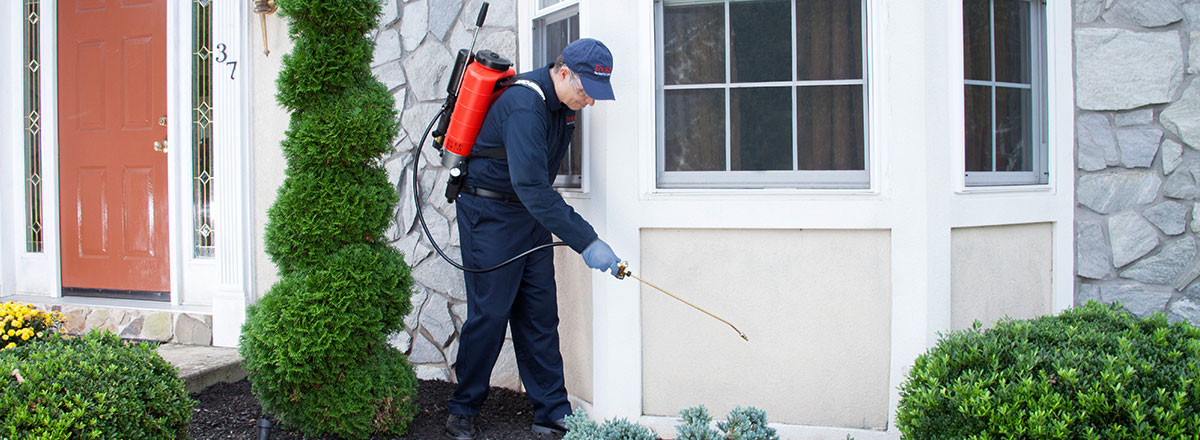
Controlling the spread of pests can be done with a variety of ways. Firstly, it could be by way of using pest control specialist such as an exterminator or doing it yourself, but there are methods of humane pest control available too. For example, these include using sound to deter or repel pests, and changing the property to prevent pests from entering the house. Preventing a pest issue is far preferable than having to deal with pest that’s already occurred… but if the problem already exists, then the only way is to remove the pests soonest possible.
Firstly, insects enter buildings primarily to seek food, shelter, and warmth. The areas affected are normally the attic, the basement, and the roof. Homeowners should try to make the environment that’s not attracting the pests – for example, keeping the spaces clean and uncluttered, without easy hiding places. Similarly, in areas outside the home, we should keep tree branches trimmed away from the home. We can seal up any areas where pests might try to enter the house.
In some cases, it is difficult to be sure whether there are pests in the houses. We only suspect there may be pests when we see the feces of the pests or hear noises caused by the pests. A professional pest control specialist can help a great deal in preventing and controlling pests too. They can inspect the premises to determine whether or not there are pests inside the house. These services can:
- Firstly, figure out where pests are entering the home
- Secondly, identify the type of pests invading the house
- Thirdly, deal with any pests already in the home
- Next, advise whether there is any damage due to pests
- Also spray regularly to help prevent insects
- Finally, seal off entry points that we don’t have ready or easy access to.
Some services will use bait or traps, and some specialize in humane pest removal and prevention. If you have pets in the home, ask whether the methods used are toxic to pets.
The goal of pest control is to essentially remove any insect or unwanted animals from areas where people live or work. The type of approach used to manage pests is decided the homeowner or dictated by the situation itself. Humane methods are becoming more popular but there may be situations in which they will not work. Regardless, the goal is to minimize or prevent structural damage caused by these pests, and reduce the risk of pests spreading a disease or illness to people.
How Pest Control Works?
Pest control “seeks to regulate or manage a species of animal or plant that is regarded as a pest”. For homeowners, pest control is concerned with the removal or eradication of animal pests. Depending on the animal in question, the environment and safety, there are a variety of pest control methods available to you.
Natural Pest Control
Natural control refers to any method that doesn’t utilize chemicals or poisons. These natural pest control include planting flowers to prevent mosquitoes as well as particular combinations of regular, nontoxic household products can be used to deter ants, spiders, and flies.
Biological Control
Biological pest control is the control of pests through the control and management of natural predators and parasites. There are 3 types of pest control by way of biological control, such as eliminating breeding grounds, terminating food supply for pests and setting traps.
- Eliminating Breeding Grounds
Instead of outright killing pests, this method seeks to prevent their reproduction and encourage them to move somewhere more hospitable. Such efforts would include proper waste management and drainage of still water.
- Terminating Food Supply for Pests
Ensuring the place clean and dry would mean that there is no food for pests such as birds, flies, rats and cockroaches to live on. These would include keeping the area clean from rotten food left in the corner of the house. Or waste management not handled cleanly. This would provide the adequate food supply for the pests to survive and breed.
- Setting Traps
One of the natural, simple control methods popular for rats is by setting traps. These can include snap traps, glue traps and live catch traps. Besides rat traps, another type of traps are termite baiting system, which is used to bait and trap all the termites.
Electronic Pest Control
These are electrically powered devices designed to repel or eliminate pests, usually rodents or insects.
Types of Pest Control?
-
 Pesticides
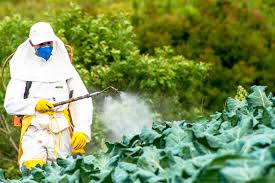
Pest control by way of spraying pesticides by planes, trucks or by hand is quite normal, even till today. Crop dusters commonly fly over farmland and spray pesticides to kill off pests that would threaten the crops. However, some pesticides may cause cancer and other health problems, as well as harming wildlife. Or for home purpose, spray pesticides are also being used to kill mosquitoes.
-
Sterilization
Sterilization is a way to ensure there is no mass breeding of the animals, whilst maintaining the ecosystem. This is 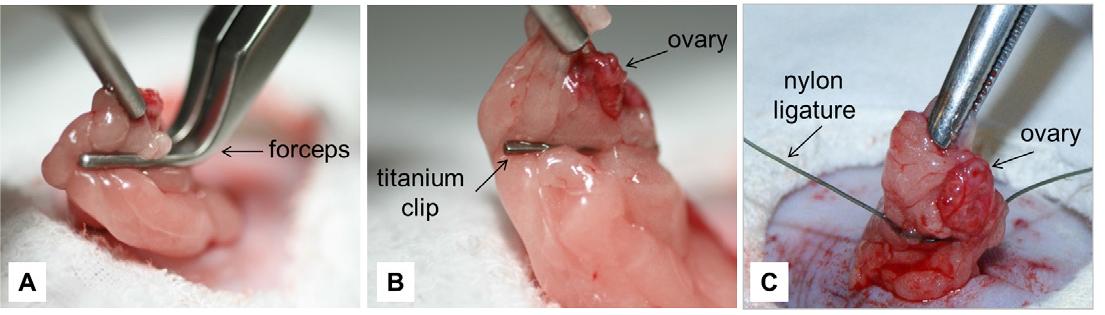 another way of humane pest control methods. But this method may be slower to implement, because sterilization would mean that we need to physically catch the animal before we are able to sterilize it.
-
 Mechanical pest control
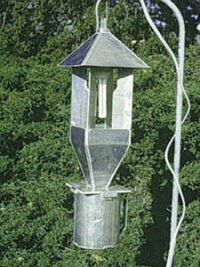
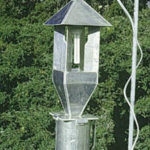
Mechanical pest control is the use of simple equipment and devices. These mechanical devices are able to provide a protective barrier between plants and insects. For example: weeds can be controlled by being physically removed from the ground. By controlling the weeds, it will have impact on the pests relying on weeds to survive.
-
 Poisoned bait
Poisoned bait is a common method for controlling rat populations. This can be a problem, since a poisoned carcass will result in smell pollution, as well as potentially spread the disease when the carcass is not handled promptly. You need to quickly search and dispose the poisoned carcass before inviting flies on those carcasses.
-
 Field burning
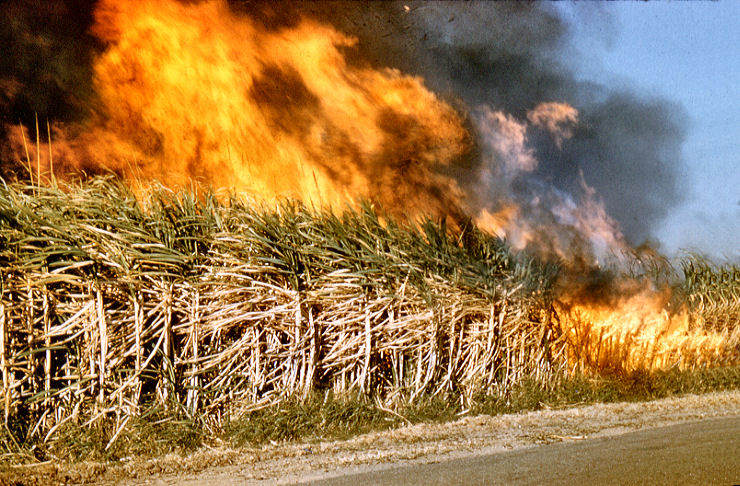
Another way of pest control is to destroy all the trees in an area where some are infected with insects, if seen as necessary to prevent the insect species from spreading. Farms infested with pests, will be burned entirely, to prevent the pest from spreading elsewhere.
In agriculture area, the fields are all burned, after a sugar cane field or corn field is harvested. This is done to kill off any rodents, insects or eggs in the fields. Burning the field would also help fertilized the field for future fields.
-
 Use of pest-destroying animals
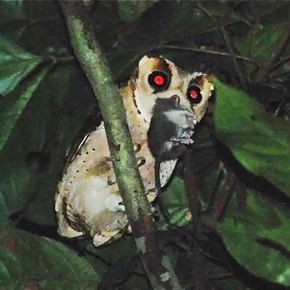
Cats are being used to control pests of grain stores such as rodents. Besides that, cats could also keep a farm’s population of rats down to a low level, but not eliminate them completely. And, farm cats could stop the rats returning to the farm.
Owls are also being used as rodent controlled animal, where one family of hungry barn owls can consume more than 3,000 rodents in a nesting season while maintaining the naturally balanced food chain.
-
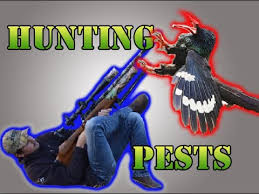 Hunting
Stray dogs and cats are being rounded up and killed by local authorities for all animals that did have an owner. In addition, there might also be a bounty system, where it incentivised people to help catch and killed the rats.
The local authorities have a system to reward people for any rats catch during a period, in exchanging 1 rat for some money. This will prevent the breeding of rats to increase uncontrollably.
-
 Elimination of breeding grounds

Proper waste management and drainage of still water, eliminates the breeding ground of many pests such as mosquitoes.
Garbage provides food and shelter for many unwanted organisms, as well as being a breeding ground by mosquitoes. Communities that have proper garbage collection and disposal, have far less of a problem with rats, cockroaches, mosquitoes, flies and other pests.
-
 Trap Cropping

A trap crop is a plant that attracts and diverts pest from other crops in an agricultural field. The pests are being redirected to the trap crop so that it can be controlled and managed more effectively using pesticides or control methods. However, without the use of pesticides, trap-cropping often failed to reduce pest colonies on large commercial scales, possibly due to the pest’s ability to disperse back into the main field.
-
 Traps
Traps
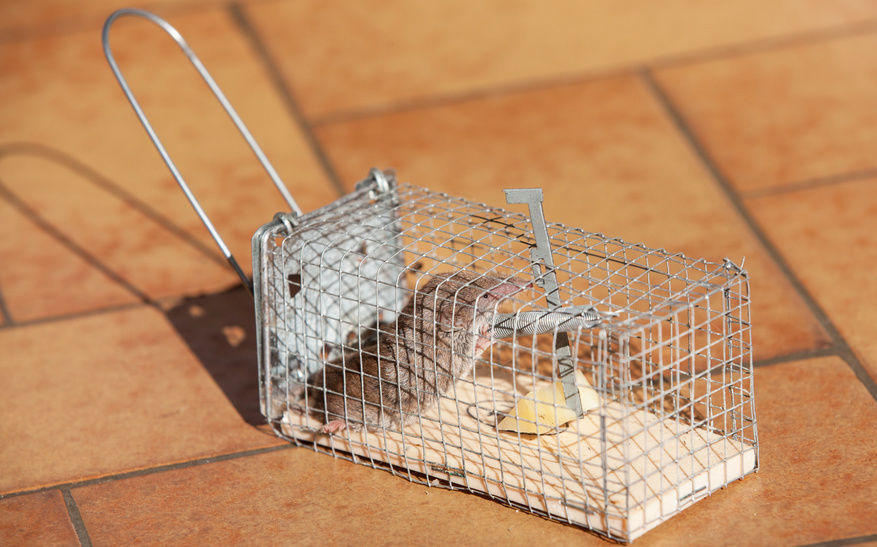
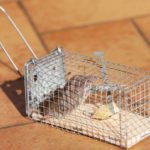
Contrary to trap crops, normal traps used to control pests are man-made, for example traps for rats. A variety of mouse traps and rat traps are available for mice and rats, including snap traps, glue traps and live catch traps.
Sticky traps, which often include pheromones to attract the pest, are also the normal way to control moth pests.
-
 Biological pest control
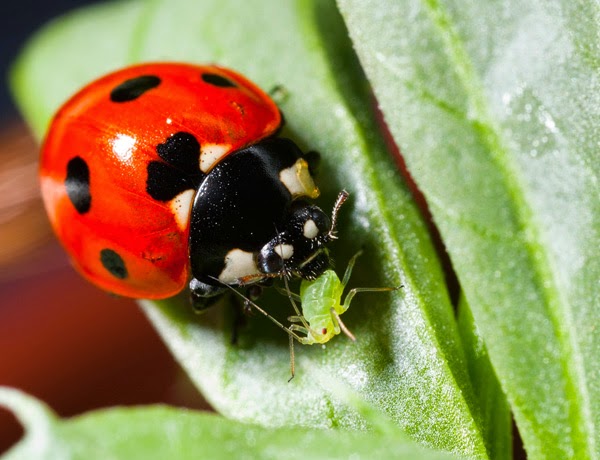
Biological pest control is managing the natural predators and parasites. For example: mosquitoes are often controlled by putting a bacterium that infects and kills mosquito larvae, in local water sources. The treatment does not have any negative consequences on the remaining ecology and is safe for humans to drink. The purpose of biological pest control is to eliminate the pest without harming the ecological balance of the environment.
Branded Pest Control in Malaysia
There are currently many licensed pest control operation with accreditation from the Ministry of Agriculture of Malaysia.
- Rentokil – Incorporated in Malaysia since 1967, this company is part of an MNC global company in over 60 countries. They are focused on many different pest control services which consist of termites, insects and rodents.
- Ridpest – Incorporated in Malaysia since 1985, this pest control company has been committed to creating a better living. This company has been operating as a Franchise model.
- Antipest – Established in Malaysia in 1986, the Company is a leading ISO-certified (ISO 9001:2008) pest control company. They focus on pest control services that meet stringent commercial and industrial standards such as ISO, HACCP and GMP.
- Ikari – Being a joint venture with Ikari Japan, the Company was incorporated in Malaysia on 1981. Its connection with Ikari Japan enables it to tap on the experience and wide network of its Japan partner.
- Stopest – The Company was founded in 1991, and led by it’s founder, is one of the pioneer founders of Pest Control Association of Malaysia (PCAM). Some of its key pest control project includes aircraft fumigation.
- NLC – Established in Malaysia in 1974, this is the oldest bigger brand pest control company in Klang Valley. The Company has been growing aggressively in terms of mobile pest control teams covering the area.
Conclusion
Whichever pest control method you decide on, be sure to consider the potential effects on the health of your family and the environment. Besides the effects on health, there are also potential impacts on destroyed properties you will need to consider. And while there are many opportunities for the average homeowner to tackle their own pest control problems, you should consider hiring professional exterminators for issues that pose an immediate threat to your safety or property.